
The Importance Of Learning Hebrew
Why learning the Hebrew alphabet is the smartest starting point for modern, conversational, and Biblical
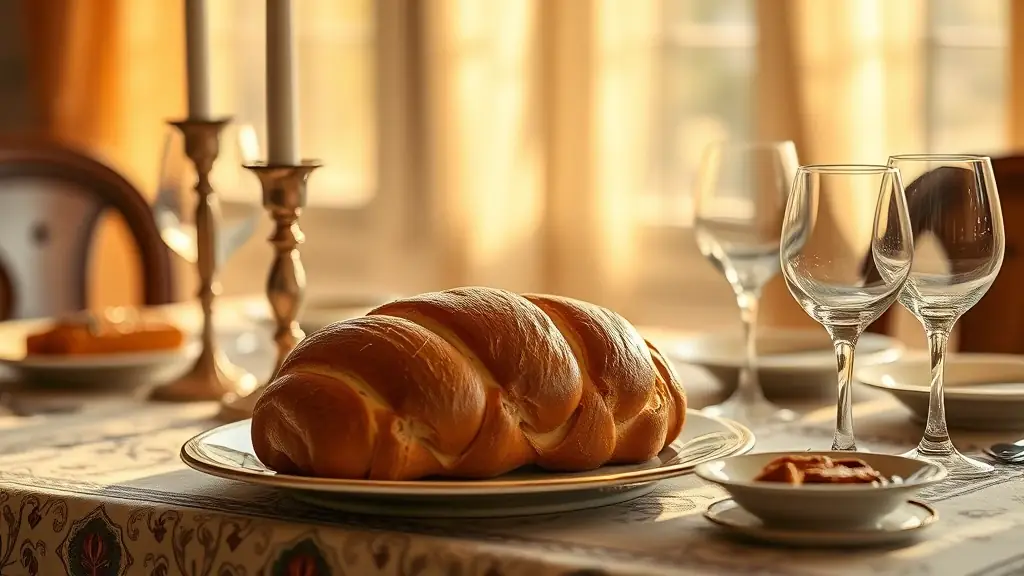
There’s a moment every Friday when the week is still loud—texts still coming in, errands still unfinished, minds still racing—but something deeper starts to whisper:
Come back.
Back to your people.
Back to your home.
Back to your own life.
Shabbat arrives like a gentle hand on your shoulder. Not to demand anything from you—just to remind you that you are more than your to-do list. More than your stress. More than your output.
In Jewish tradition, Shabbat begins before sunset on Friday and ends after nightfall on Saturday. It’s welcomed with light, blessing, and a meal that feels different because it is different. A little slower. A little softer. A little more sacred.
And here’s something important that doesn’t get said enough:
Even though Shabbat is holy and deeply religious, it’s also profoundly cultural, communal, and human—which is why so many Jews who aren’t “observant” in a traditional sense still mark it in ways that matter. For some it’s candles and Kiddush. For others it’s dinner with family, friends, or community. For others it’s a walk, a nap, a phone off, a breath taken on purpose.
Shabbat can hold all of it.
It’s not a test.
It’s a homecoming.
Shabbat is older than empires. Older than exile. Older than most of the languages we speak at our tables today. For thousands of years, Jews across the world have welcomed this day in countless melodies and flavors—different customs, different foods, different levels of observance—yet the same heartbeat underneath:
We are not meant to live without pause.
We are not meant to forget who we are.
Shabbat is often described as a remembrance of Creation and a remembrance of Exodus—meaning: life has purpose, and we are not meant to be slaves. Not to Pharaoh. Not to work. Not to the endless chase.
Shabbat teaches freedom as a weekly practice.
There are Jews who keep Shabbat with full traditional observance. There are Jews who keep it with candles and a meal. There are Jews who go to services sometimes and host friends often. There are Jews who are still learning, still unsure, still healing from pressure or distance—and still want to taste something real.
Shabbat can meet you in all of those places.
Because the question Shabbat asks isn’t:
“Did you do it perfectly?”
It’s:
“Did you make room for what matters?”
And for many people, that begins with something beautifully small.
If you’ve never joined a Shabbat table, here’s the simplest picture:
Shabbat is a weekly celebration of rest, connection, and holiness—traditionally marked with blessings over candles, wine (or grape juice), and challah, followed by a meal with song, gratitude, and often a little learning.
A common flow looks like this:
If you’re thinking, That sounds like a lot, here’s the truth:
You can start with one piece and still be doing something holy.
Our generation lives in permanent availability.
Work stretches. Screens follow us. News never ends. Kids’ schedules fill every corner. And community sometimes becomes a concept instead of a lived experience.
That’s why Shabbat isn’t nostalgia—it’s medicine.
Shabbat is personal—but it’s never meant to be private.
There is deep Jewish beauty in welcoming others. In opening the door. In making someone feel they belong without needing to “earn” it.
If you’re part of a community of families who’ve committed to inviting other families—this is sacred work. It’s how Jewish life becomes a lived experience instead of a lonely one.
And if you want to begin hosting but feel nervous, here’s a secret:
People don’t remember whether you got every word right.
They remember whether the table felt safe.
They remember whether someone looked them in the eyes and said, “We’re happy you’re here.”
Shabbat gives the nervous system a predictable exhale.
It gives relationships a place to land.
It gives identity a weekly heartbeat.
When formal structures of Jewish learning feel harder to sustain for many families, the Shabbat table becomes one of the most powerful places to rebuild Jewish life—because it happens at home, with food, with story, with real people.
Chosenology is built around a simple belief:
Being Jewish isn’t just a privilege.
It comes with responsibility—to live with purpose, act with compassion, and bring light to the world.
Shabbat is one of the most consistent ways to practice that responsibility—because it trains us to value people over productivity, presence over performance, and meaning over momentum.
It turns “community” into something you can actually host.
It turns “identity” into something you can actually practice.
It turns “light” into something you literally kindle.
We created Chosen Decks for one reason: so more people can participate without feeling lost.
These decks are not meant to replace Torah or holy books.
They are informational, table-friendly guides designed to help English-speaking families follow along with confidence—especially when guests are at the table, or when you’re just starting.
The Shabbat Chosen Deck is designed to sit right on the table and serve:
Inside, you’ll find:
The goal is simple:
a Shabbat table where nobody feels embarrassed, excluded, or behind.
Just welcomed. Just together. Just growing.
If you want to begin, don’t start with everything. Start with something you can keep.
(1) The Candle Start
Light candles. Read a one-sentence intention. Breathe for 60 seconds.
You just created sacred time.
(2) The Table Start
Make dinner slightly more intentional. Put phones away for the first 10 minutes. Add challah (or any bread). Say HaMotzi—or read what it means in English.
(3) The Guest Start
Invite one person or one family. Let warmth be the win, not perfection.
That’s enough to begin. Truly.
If you’ve been waiting for the “right time” to start Shabbat, here’s the gift: Friday comes every week like a second chance.
Start small. Start human. Start with a table.
And if you want a guide that makes the rituals and meaning easier to follow—without pressure—the Shabbat Chosen Deck was made for exactly this: to help kids and adults build a Shabbat that feels accessible, joyful, and real.
Because every purchase also carries responsibility: each purchase supports community initiatives, and we invite you to help shape where those contributions go.
Explore the Shabbat Chosen Deck. Add it to your table. Invite someone in. Bring light—on purpose.
Why learning the Hebrew alphabet is the smartest starting point for modern, conversational, and Biblical
Chosenology’s Shabbat Collection offers a range of products to enhance your Shabbat experience.

There are some identities you inherit—and others you’re asked to carry. Judaism, at its best,